What is a Digital Business Card? The Ultimate Guide for 2026

In today’s fast-paced digital world, networking has taken on a new form.
Paper business cards have been used for a long time, but now more people are choosing digital business cards to share their contact information. But what exactly is a digital business card, and why are they becoming such a popular tool in 2025?
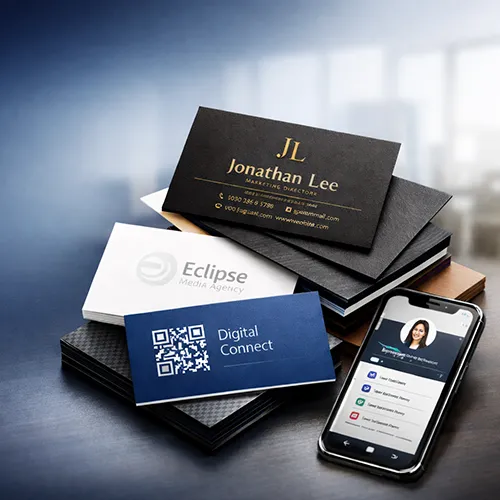
A digital business card is an online version of your regular paper business card.
Pros & Cons of Digital Business Cards
Instead of handing out a physical card, you share your details electronically using modern technology such as NFC (Near Field Communication), QR codes, or digital apps. These cards can be stored on smartphones, shared via email, or directly integrated into social media profiles. As we move into a more interconnected, digital-first world, these cards are transforming how we network.
Benefits of Digital Business Cards
Compared to traditional paper business cards, digital cards offer significant advantages in terms of accessibility, cost, and functionality. Digital cards are easily updated, customizable, and environmentally friendly, offering a versatile solution for professionals across various industries.
Cost-effectiveness and Eco-friendliness
One of the biggest advantages of digital business cards is their cost-effectiveness. Traditional paper cards require printing, reprints, and additional costs associated with design and material. Digital cards, on the other hand, are often free or require a small initial setup fee. Since they are stored and shared electronically, they significantly reduce paper waste and contribute to a more eco-friendly approach to networking.
Easy to Share and Update with a Tap or Click
Digital business cards can be quickly shared with a tap (using NFC) or a click (via QR code or email). There’s no need to wait for the next meeting or exchange physical cards; you can share your information in real-time with anyone, anywhere. Plus, digital cards can be easily updated with new information (like job titles, contact details, or social media handles) without the need to reprint them.
Integration with Digital Wallets and Apps
Many digital business cards can be stored in digital wallets or apps, allowing you to have your business card always accessible on your phone. This convenience means that you won’t have to worry about running out of cards or losing a contact’s details.
Customization Options for Branding
A digital card provides the opportunity for greater customization than a traditional card. You can add logos, social media links, videos, portfolio links, and more to give a personalized touch. This flexibility allows you to create a digital business card that reflects your brand, style, and personality.
Disadvantages of Digital Business Cards
That being said, digital cards for business come with certain limitations which have been stated below.
Tech Challenges for Non-Tech Users
While digital business cards are convenient for many, they can pose challenges for individuals who are not familiar with technology. Some people may struggle with using apps, scanning QR codes, or accepting digital card transfers via NFC.
Device Compatibility Issues
Not all devices support every type of digital business card. NFC cards work well on modern phones, but older devices or certain operating systems may not support them. However, some apps may not be available on all platforms, causing potential compatibility problems.
Security and Privacy Concerns
When using digital business cards, you share personal information online, which can raise privacy concerns. It’s important to choose a service that encrypts your data and offers secure sharing options to protect your privacy.
Price Comparison: Paper vs. Digital Business Cards
Traditional paper cards typically cost more than their digital versions. However, there is more to this factor than just either of them being costlier.
Costs of Paper Business Cards
Traditional paper business cards have a tangible cost. Printing costs can vary depending on the quality, material, and quantity of the cards you order. On average, a simple set of 500 paper cards can cost between $20 and $50. There are also design costs, particularly if you choose to hire a graphic designer. If you run out of cards or need to make updates, you will need to reprint the cards, adding more costs.
Costs of Digital Business Cards
Digital business cards usually have a one-time setup fee or a subscription-based model. For example, many apps or platforms charge a monthly or yearly fee for premium features like customization, additional storage, or analytics. However, the initial cost is typically lower than the ongoing costs of paper cards. Some services even offer free versions with limited features, making them an affordable choice for small businesses or individuals.
Hidden Fees and Value for Money
One potential downside of digital business cards is the hidden costs that might arise from using premium features. For example, you might need to pay for extra customization, unlimited contact storage, or additional NFC features. But over time, the money saved from not printing paper cards makes digital business cards a highly cost-effective solution.
Different Types of Digital Business Cards
These business cards come with several variations in terms of how they work and which technologies they rely on.
NFC Digital Business Cards: Instant Sharing with a Tap
NFC (Near Field Communication) digital business cards allow you to share your contact information by simply tapping your phone with someone else’s. These cards use radio frequency to transfer data, making them quick and efficient for networking events or conferences. Once tapped, the recipient’s phone automatically receives your contact details, making the process seamless.
QR Code Digital Cards: Easy Scanning and Sharing
QR code-based digital business cards are another popular option. By scanning a QR code, the recipient can instantly access your contact information. No specialized apps or technologies are needed, making it a simple option for everyone.
Digital Wallet Cards: Saving and Sharing Directly from Your Phone
You can store digital wallet cards in apps like Apple Wallet or Google Pay. These cards are easily accessible and can be shared directly from your smartphone. This option provides a seamless experience for users who prefer integrating their business cards with their phone’s built-in functionalities.
App-based Digital Cards: Top Apps for Creating and Managing Cards
There are several apps that allow users to create and manage their digital business cards. These apps offer a wide range of features, such as customization, analytics, and integration with other tools. Some of the top-rated apps include Haystack, V1CE, and Inigo, each offering unique features to suit different needs.
Email Signature Cards: Share Your Card via Email
One of the simplest ways to share your digital business card is by adding it to your email signature. This way, anyone you email can access your contact details with a simple click. It’s an easy way to make sure your card is always accessible to anyone you correspond with.
How to Create a Digital Business Card: A Simple Guide
Here is a quick guide to help you learn how you can go about designing a digital card for your business.
Tools and Platforms
There are various platforms available to help you create a digital business card. Some popular choices include My Name Card, Canva, Haystack, V1CE, and Inigo. These platforms offer easy-to-use design templates and let you link your card to social media, email, and other apps.
Design Tips for a Professional Look
When designing your digital business card, ensure it aligns with your personal or company brand. Choose a clean, minimalist design with legible fonts and your most important details (name, job title, phone number, email, etc.). Keep the card visually appealing but simple to avoid overwhelming the person receiving it.
Customization Options
Take advantage of customization features to add your social media profiles, portfolio links, or even a video introduction. This is where digital business cards truly shine, as you can provide a dynamic representation of who you are.
How to Share Your Digital Business Card
Sharing your digital business card is simple and quick. You can use NFC, QR codes, digital wallets, or social media to easily share your contact details. Below are some of the most common ways you can share your digital card quickly and efficiently.
Sharing via NFC: Tap to Transfer Your Card
Sharing your card with NFC is easy. Just tap your phone to someone else’s. It’s fast, simple, and doesn’t need any scanning or entering info manually.
Sharing via QR Codes: Quick Scanning and Sharing
If NFC isn’t available, QR codes are a great option. Just generate a QR code with your contact information, and others can scan it with their smartphones to save your details.
Sharing via Digital Wallet: Save and Share from Your Phone
For users with digital wallets (Apple Wallet, Google Pay, etc.), your business card can be stored in the wallet for quick access and sharing. This is a convenient way to share your card anytime, anywhere.
Connecting via Social Media & Email
Most digital business card apps allow you to connect your card to social media platforms such as LinkedIn, Twitter, Instagram, and others. This makes it easy for people to connect with you on various platforms without having to search for your profiles manually.
Digital Business Card Use Cases: When and Where to Use Them
Whether you’re at a networking event, meeting a client, or interviewing for a job, digital cards help you stand out. Here’s when and where to use them.
Networking Events & Conferences
Digital business cards are perfect for networking events, conferences, or business meetups. You can share contact details quickly, without the hassle of handling physical cards.
For Entrepreneurs & Freelancers
Entrepreneurs and freelancers can use these cards to make a lasting impression and present a modern, professional image. They’re great for making a strong first impression during client meetings or business pitches.
Corporate Professionals
Many companies now use digital business cards for their employees. They are an efficient and cost-effective way to share contact information within the company and with clients.
For Job Seekers
A digital business card is an excellent way for job seekers to make a lasting impression during interviews. It’s a professional, modern approach that shows you’re tech-savvy and ahead of the curve.
Top Digital Business Card Providers: Reviews and Comparisons
Looking for the best digital business card? Here’s a quick look at top providers, their features, and what makes each one stand out.
Best Overall Digital Business Card Providers
Providers like My Name Card, Haystack, V1CE, and Inigo offer premium features like NFC support, customizable designs, and easy integrations with your phone’s digital wallet and email.
Best for NFC Technology
For NFC-enabled cards, My Name Card is one of the best choices, offering sleek designs and fast sharing options.
Best for App-based Solutions
Inigo and Haystack both offer fantastic app-based digital card services with high customizability and user-friendly interfaces.
Best Budget Providers
For those on a budget, Canva and QR Code Generator offer free, easy-to-use platforms to create simple digital business cards.
Best for Customization
My Name Card and V1CE provide the most customizable options, allowing you to add logos, videos, and even portfolios directly to your card.
Are Digital Business Cards Secure?
Digital business cards are generally secure when used with trusted platforms. Many services encrypt your information and provide privacy settings to keep your data safe. Always check the platform’s security features before sharing sensitive details.
Future Trends in Digital Business Cards
Digital business cards aren’t just a trend; they’re the future. Here’s a look at the exciting trends, from smarter integrations to virtual networking.
Innovations in Digital Card Technology
As NFC, augmented reality, and other technologies evolve, digital business cards will become even more interactive and innovative, offering new ways to share and interact with your contacts.
Virtual Networking and Events
With the rise of remote work and virtual events, digital business cards are becoming a key tool for professionals to network in a digital-first world.
Integration with CRM Systems
Digital business cards are becoming an essential part of digital lead generation, seamlessly integrating with CRM systems to store and manage contact information efficiently.
Why You Should Switch to Digital Business Cards Today
Digital business cards offer many benefits, like saving money, being eco-friendly, and making sharing and customizing easy. Now is the perfect time to switch to digital cards in 2025. They’re a modern and efficient way to manage your contacts. Start using a digital business card today and take your networking game to the next level.
FAQs About Digital Business Cards
Virtual business cards are shared with a link. Digital cards are stored in apps and can include interactive features like QR codes, photos, and social media links.
A digital card makes it easy to share your contact details and update them without needing paper cards.
Yes, you can use both of them. Many people still prefer physical cards for in-person meetings.
Yes, digital cards save money because you don’t need to print new ones when your details change.
If you want to share your details easily and keep them updated, a digital card is a great choice.
Yes, you can set a password to keep your card secure.
No, if your card is locked, others will need the password to access your details online.